
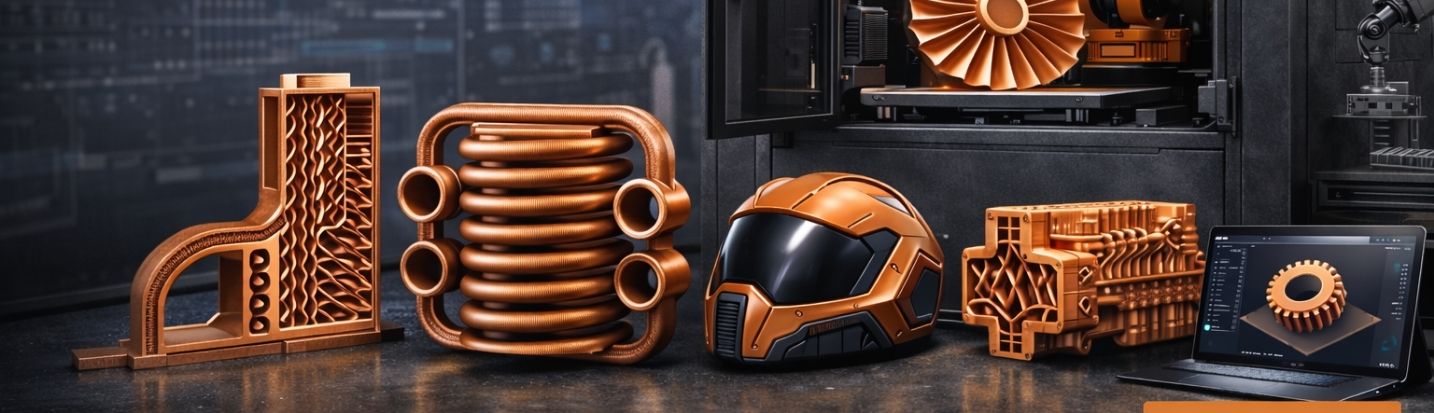
When to Use Copper 3D Printing — and When Not To
Copper 3D printing is not the right solution for every part.
It becomes valuable when performance depends on internal geometry, thermal flow, or structures that cannot be achieved by CNC machining.
Typical use cases include:
✔ Internal cooling channels
✔ Heat exchangers and thermal components
✔ Induction parts with integrated cooling
✔ High-conductivity functional structures
Compared with traditional manufacturing, copper additive manufacturing enables:
– One-piece designs instead of multi-part assemblies
– Reduced leakage risks
– Improved heat transfer performance
– Faster design iteration for functional validation
However, copper is difficult to process due to its high reflectivity and thermal conductivity.
Successful manufacturing depends on proper design evaluation, internal channel feasibility, and post-processing strategy.
This is where engineering experience makes the difference.
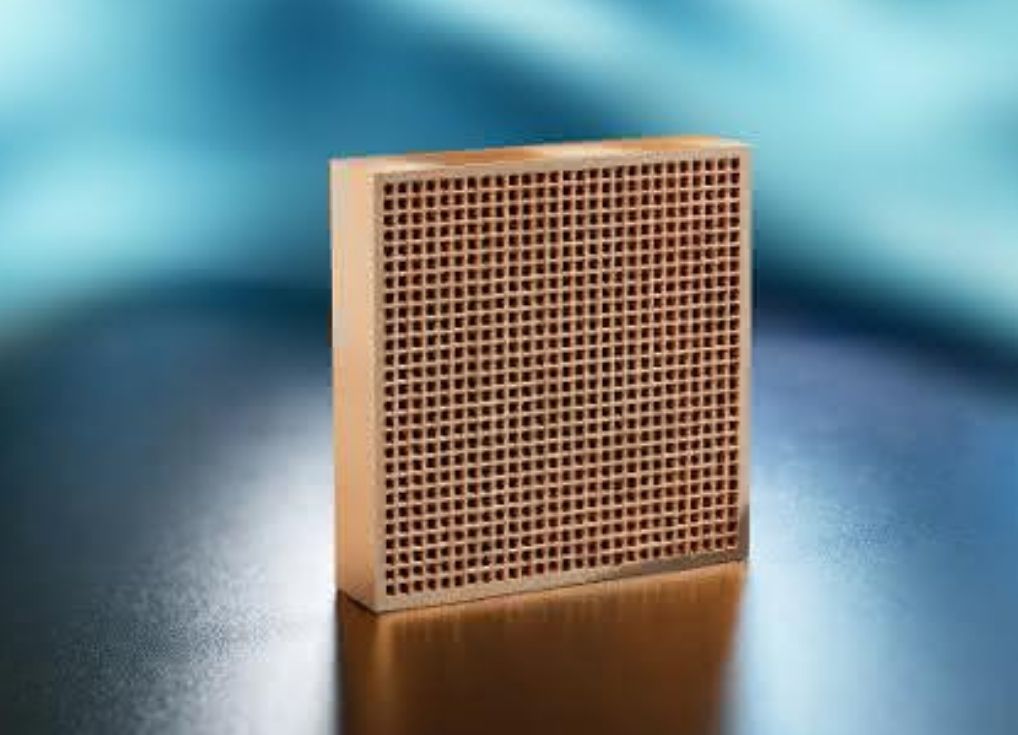
Copper 3D Printing vs CNC Machining: How to Choose the Right Process
Copper 3D printing and CNC machining solve different engineering problems.
Choosing the right process depends on part function, geometry, and performance requirements — not just cost.
CNC Machining
Best suited for:
✔ Simple geometries
✔ Tight tolerances on all surfaces
✔ Smooth surface finish requirements
✔ Solid copper parts without internal complexity
Limitations:
✖ Cannot produce internal cooling channels
✖ Complex geometries require multiple parts and assembly
✖ Higher risk of leakage in multi-part designs
Copper 3D Printing
Best suited for:
✔ Internal cooling channels
✔ Heat exchangers and thermal structures
✔ Complex geometries not machinable by CNC
✔ One-piece designs to reduce assembly
Considerations:
⚠ Surface roughness may require post-processing
⚠ Critical surfaces often need CNC finishing
⚠ Design must consider manufacturability and powder removal
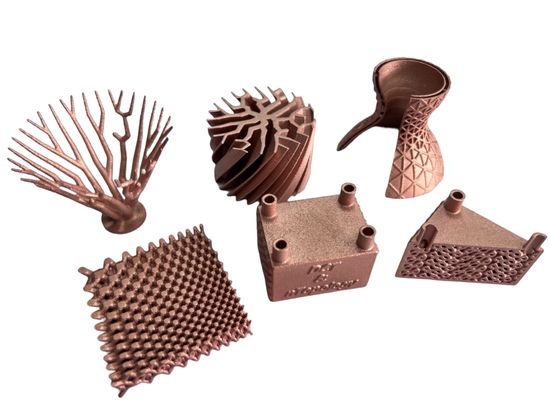
Engineering Capabilities for Copper 3D Printing Projects
We focus on manufacturing functional copper parts — not just printed shapes.
Our capabilities are designed to address real engineering challenges such as internal channel integrity, thermal performance, and post-processing requirements.
We support the manufacturing of complex copper parts with internal cooling channels and enclosed geometries, where not only the design itself but also powder removal, flow continuity, and long-term reliability must be carefully considered.
In many projects, copper 3D printing is combined with CNC machining to achieve the best results. Critical surfaces such as sealing areas, interfaces, and fitting features are CNC machined after printing to ensure proper dimensional accuracy and performance.
We work with high-purity copper suitable for demanding thermal and electrical applications, focusing on functional performance rather than just material specifications.
Our goal is not simply to print the part, but to ensure it performs reliably in real-world conditions. If you are developing a copper component with complex internal structures, we can help evaluate feasibility and recommend the most suitable manufacturing approach.
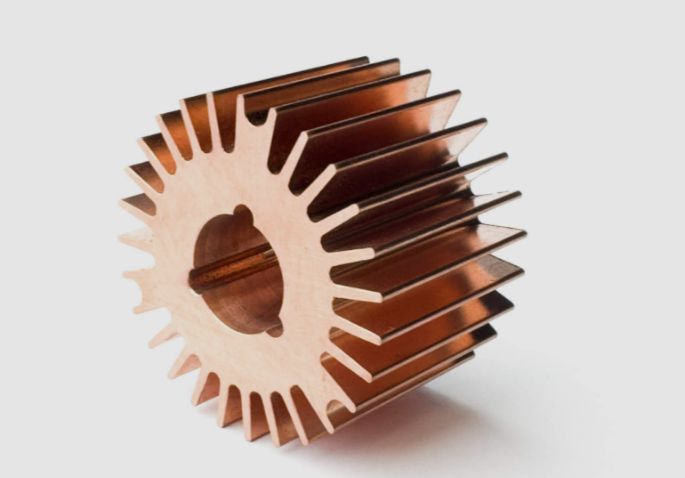
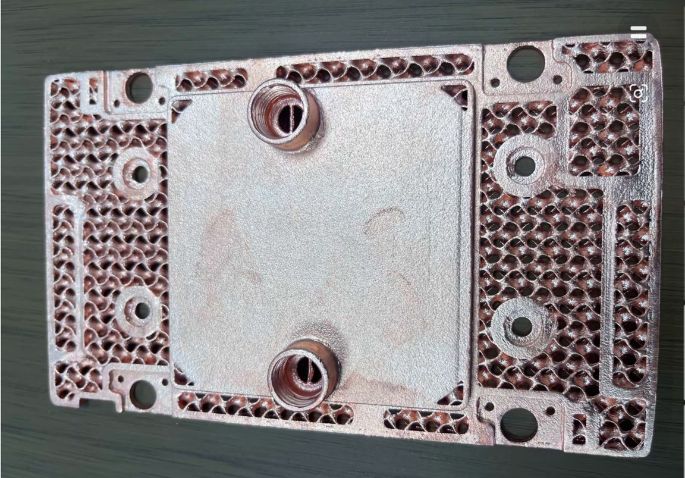
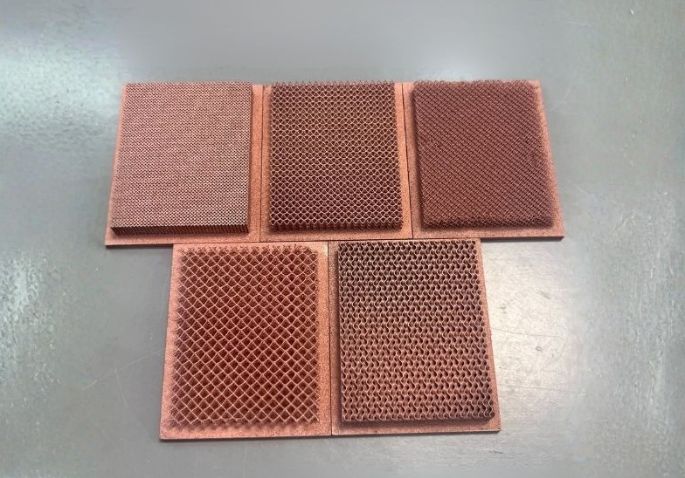
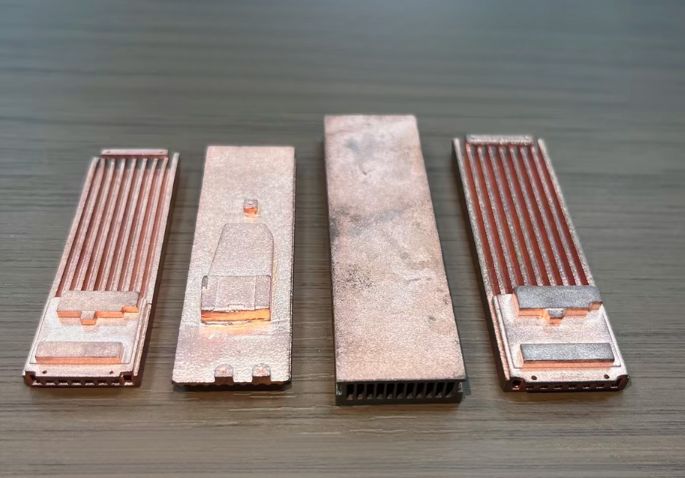
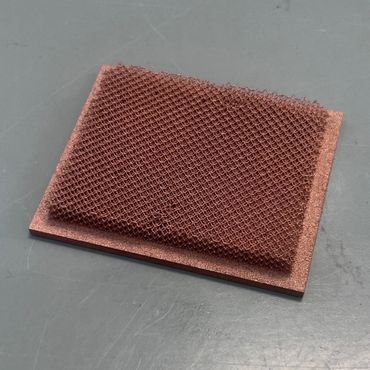
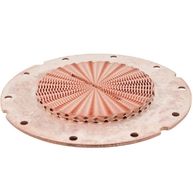
Solution: Optimized fin structures and internal geometries enabled by copper 3D printing
Result: Improved thermal performance in compact electronic systems
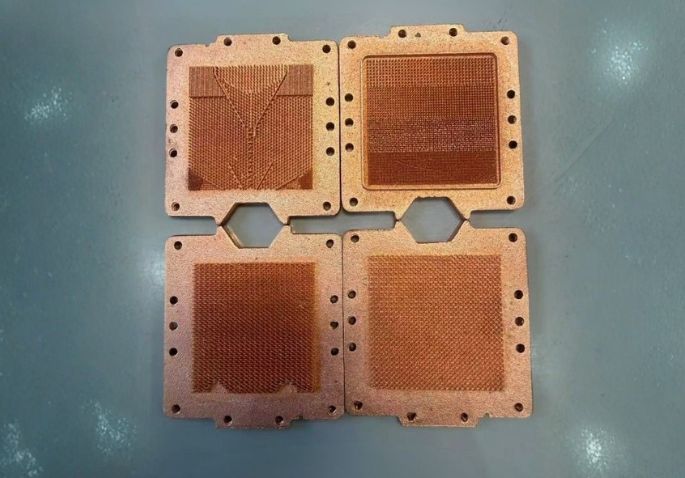
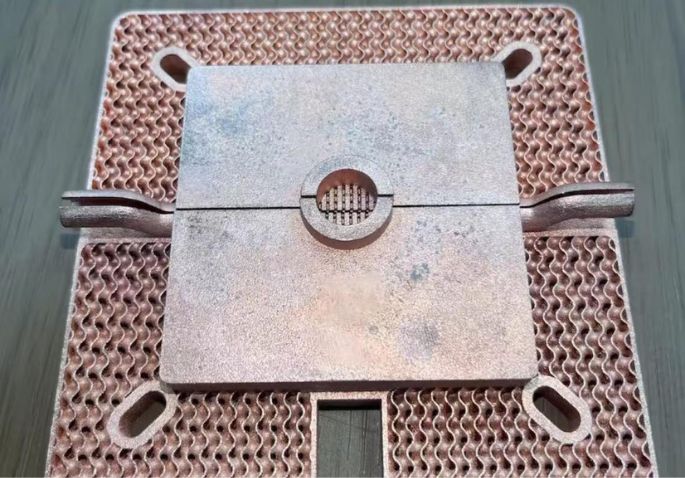
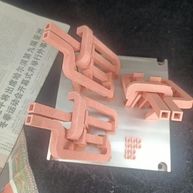
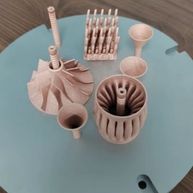
Solution: One-piece copper 3D printing with optimized internal flow paths
Result: Higher heat transfer efficiency and reduced leakage risk
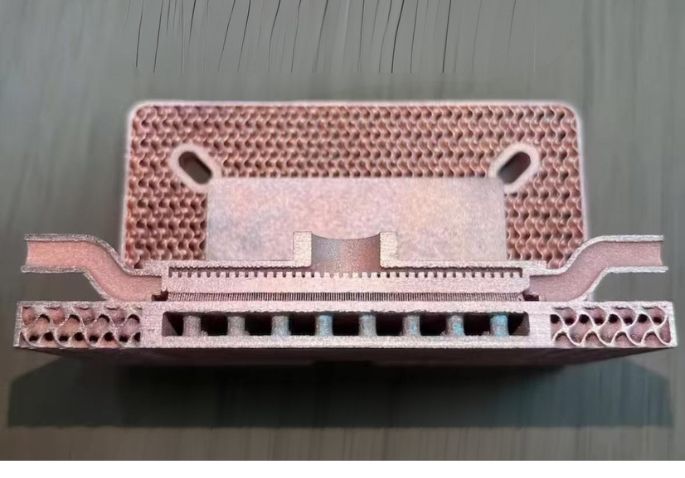
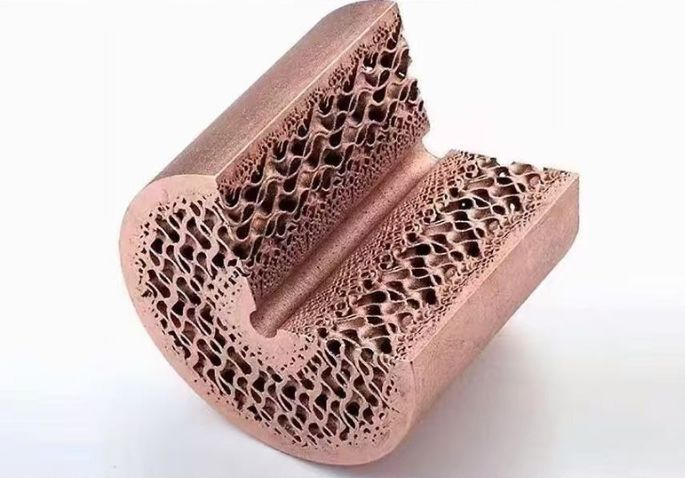
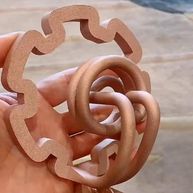
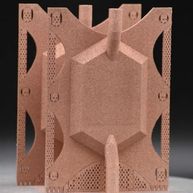
Solution: Internal cooling channels designed for optimized coolant flow
Result: Enhanced cooling performance and reduced system weight
Why Engineers Choose Changyi Model
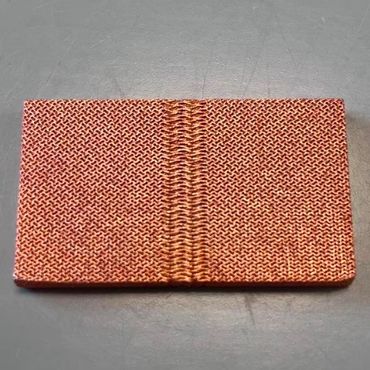
We manufacture enclosed internal cooling channels and complex geometries that cannot be achieved by conventional CNC machining, ensuring continuous flow paths and functional performance
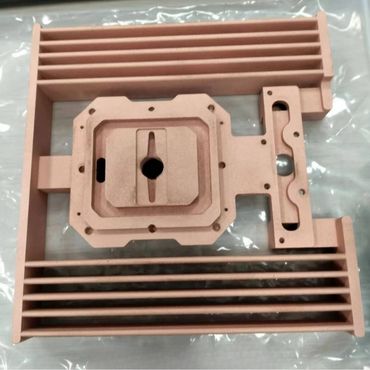
By consolidating multi part assemblies into a single printed component, we reduce sealing interfaces and significantly lower the risk of leakage in thermal and fluid systems
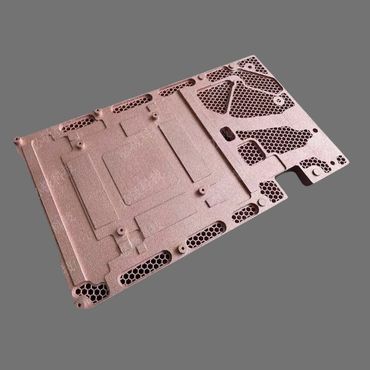
We combine copper 3D printing with CNC machining to ensure precision on sealing surfaces, interfaces, and key dimensions where accuracy is critical
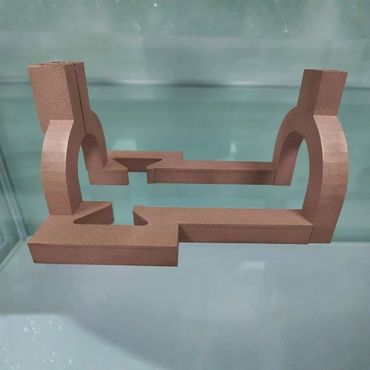
Our parts are optimized for heat transfer and fluid flow, supporting applications such as heat exchangers, cooling plates, and induction components
Our engineering team reviews your 3D files and provides manufacturability feedback, cost estimation, and optimization suggestions typically within 24 hours
What You Can Expect When Working With Us
START YOUR COPPER 3D PRINTING PROJECT TODAY
Upload your 3D files to receive engineering feedback, manufacturability analysis, and a quotation within 24 hours. We specialize in complex copper components such as internal channels, heat exchangers, and high conductivity parts that cannot be achieved by conventional machining. CNC finishing is applied where needed to ensure precision, sealing performance, and reliable assembly.
Copper 3D printing is ideal when parts require complex internal channels, conformal cooling, or geometries that cannot be achieved by traditional CNC machining. It is especially valuable for heat exchangers, cooling plates, and high-performance thermal components where design flexibility and performance optimization are critical. If your design involves internal flow paths or multi-part assemblies, 3D printing can significantly reduce manufacturing limitations and improve overall performance.
Yes, we manufacture fully enclosed internal channels using copper 3D printing, with process control to ensure channel continuity and structural integrity. For applications requiring pressure resistance and leak-tight performance, we also apply post-processing such as CNC machining on sealing surfaces and optional treatments to enhance reliability. We recommend sharing your design so we can evaluate channel feasibility and sealing requirements based on your application.
Typical as-printed surface roughness inside internal channels is around Ra 10–15 μm, depending on geometry and accessibility. While internal surfaces are generally not machined, we focus on ensuring consistent flow paths without blockage or local constrictions. For critical areas such as sealing interfaces or external surfaces, CNC finishing can be applied to achieve tighter tolerances and improved surface quality.
Yes, we support projects from single functional prototypes to low-volume production. Our engineering team works with you from design review to final delivery, ensuring manufacturability and performance at each stage. This flexibility allows you to validate designs quickly and scale efficiently for production. You can upload your 3D files to get engineering feedback and a quotation within 24 hours.
Copper 3D printing becomes cost-effective when it reduces assembly steps, eliminates complex machining, or improves performance in ways that cannot be achieved with traditional methods. It is especially valuable for parts with internal channels, complex geometries, or high thermal requirements. Our engineering team can review your design and suggest whether 3D printing is the right approach based on both performance and cost considerations.
Lead time depends on part size, complexity, and post-processing requirements. For most projects, initial engineering feedback and quotation are provided within 24 hours. Prototype parts can typically be delivered within a few days, while more complex or production orders may require additional time. We always aim to provide clear timelines based on your specific project.